For those of you who have no idea what I'm talking about, "whodunnit" generally refers to a storyline where the audience follows the narrator as he or she tries to discover who committed a crime. The audience forms their own opinion throughout the story, reformatting it when new evidence comes to light. This type of storytelling became popular in the early 20th century and by the middle of it, some people wanted to find a new way of exploring a mystery that would still engage the audience.
In the early 1960s, William Link and Richard Levinson decided they were going to do just that and they created what they called the "howcatchem" story through the TV series Columbo. Instead of focusing on who committed the crime, the series instead centers on how they are caught. At the beginning of every episode, the audience sees the criminal committing the offense. Then, the main character Lieutenant Columbo spends the majority of the episode teasing out a confession from the perpetrator.
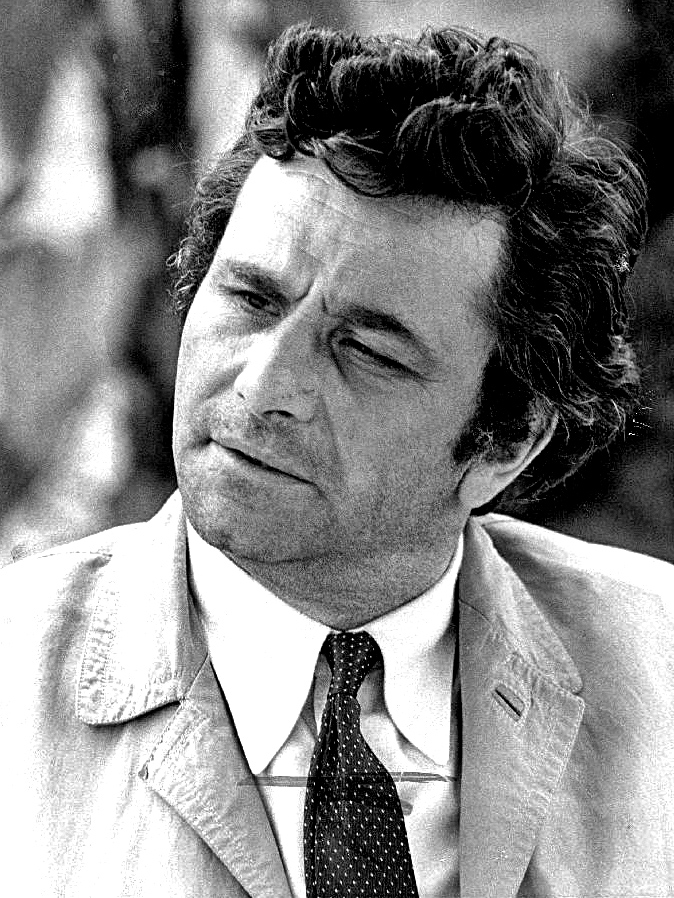
One of my favorite aspects of Columbo's style is that he will often throw in anecdotal evidence about his wife or another relative in order to relate to the suspect as a friend or to make them underestimate him. At one point after asking a lot of questions about the case to a potential suspect Columbo says, "I worry. I mean, little things bother me. I'm a worrier. I mean, little insignificant details - I lose my appetite. I can't eat. My wife, she says to me, 'you know, you can really be pain,'" in order to make the suspect think that he is asking questions that do not actually pertain to the case.
Another interesting element of the series is that Columbo is usually dealing with someone who is wealthier or who has more influence than he does. This naturally makes him appear to be an underdog, which I think is one of the reasons why the show was so popular. People liked the idea of supporting someone who stood for justice and who also was, at the end of the day, a common, working-class man.
It's really hard to do justice to Columbo's character through writing, so I encourage all of you to take a study break and watch a show - it's on Netflix!
And for now, enjoy these quotes:
Dr. Ray Flemming: I want the man who murdered my wife. Everything else is irrelevant.
Lt. Columbo: Well, I'm only trying to...
Dr. Ray Flemming: I know. You're only trying to tie up loose ends. Well, if you spent a little less time on loose ends, maybe you'd come up with something important. You know, sometimes I get the impression you think I killed my wife.
Lt. Columbo: You? Oh, no, Doc. How could you? You were out of town.
Dr. Ray Flemming: I'm glad you remembered that. Unless you think I hired someone to kill her. The boy who confessed? Maybe I paid him to do it.
Lt. Columbo: No, Doc, you didn't do that.
Dr. Ray Flemming: How do you know?
Lt. Columbo: I already asked him.
________________________________________________________________________________
Photo courtesy of Wikipedia

No comments:
Post a Comment