
Quickly, these shows became an important part of my life. Even though they were all comedies, they were based in realities that I could relate to and that corresponded to the time in which they were made. They often dealt with issues that society was generally worried about, but spun them in a way which made them less intimidating and easier to tackle and understand.
Through this blog, I plan to summarize the basic premise of each of these pieces while also analyzing where they came from and how they reflected the time in which they were made. This entry is appropriately titled, "Getting Smarter" as I will be discussing the show "Get Smart," which debuted in 1965 and remained on air until 1970.
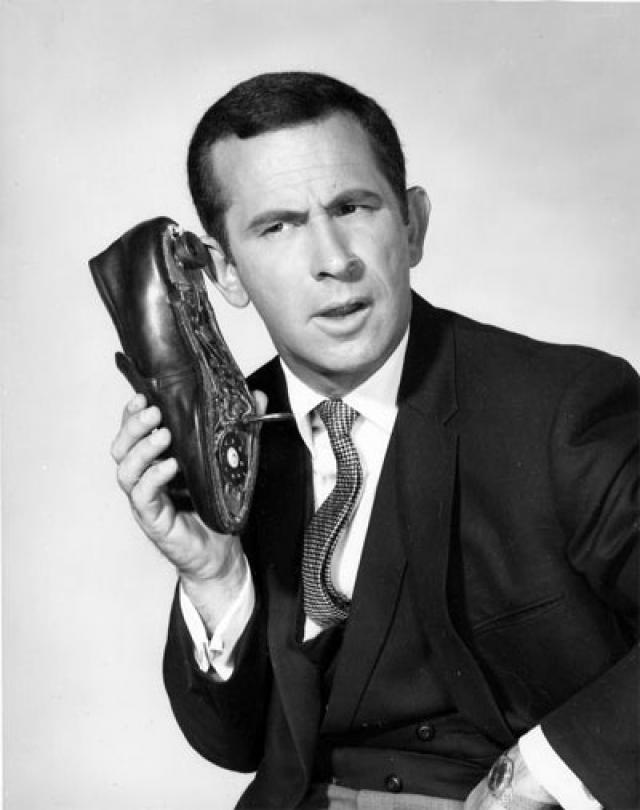
While the blundering idiocy of Max may not be seen as culturally significant, the writers used the show to question the authority of the United States government to be involved in international affairs (such as the Vietnam War) and even issues at home. At the time, the Civil Rights Movement was in full force and women were starting to take a more active role in society. Small details of the show, such as having Agent 99 (Max's wife) remain working after marriage (she was the first female TV show character to do so), made big statements about the feelings of the American public.
Another important message was delivered in Season 2 Episode 26 where after a nuclear bomb has detonated, Max and 99 have a conversation about the fallout.
99: Oh, Max what a terrible weapon of destruction.
Smart: Yes. You know, China, Russia, and France should outlaw all nuclear weapons. We should insist upon it.
99: What if they don't, Max?
Smart: Then we may have to blast them. That's the only way to keep peace in the world.
In "King Lear," William Shakespeare wrote, "Jesters do oft prove prophets," which is today commonly simplified to "much truth is said in jest." Through short asides and exchanges, "Get Smart" questioned the commonplaces of our society. It questioned the wisdom and the authority of our government. While its primary mission was to entertain the public, it also taught its viewers valuable lessons about authority and it teaches us important lessons about that time.
A clip from Get Smart featuring the famous Cone of Silence

I love this topic! I wasn't sure what to expect, but it was interesting and so relatable. Your tone was so light, but very informative, and I definitely want to revisit your blog in the future!
ReplyDeleteLike Rachel, I wasn't positive what this blog was going to hold. However, I love Get Smart (haven't seen the old version, so maybe that's blasphemous to you). You did well to demonstrate the cultural significance of a comical and light show. I can't wait for you to do "Airplane!" - I'll definitely have to read that post.
ReplyDeleteI confess to having seen all of Get Smart, including the two made for TV movies. The show combined humor with social commentary, although it always wasn't consistently progressive. Its interesting to watch it showing a relatively positive powerful woman and a not entiely horrible portrayal of a possibly transgender person (though still played for laughs) in Charlie Watkins, while at the same time showcasing racial stereotypes with "The Craw" (and Dr. Yes, and The Whip, and...) I also find your interpretation that it was questioning the government by showing its agents as foolish to be very interesting. I had never thought about that way, though CONTROL always wins against evil.
ReplyDelete